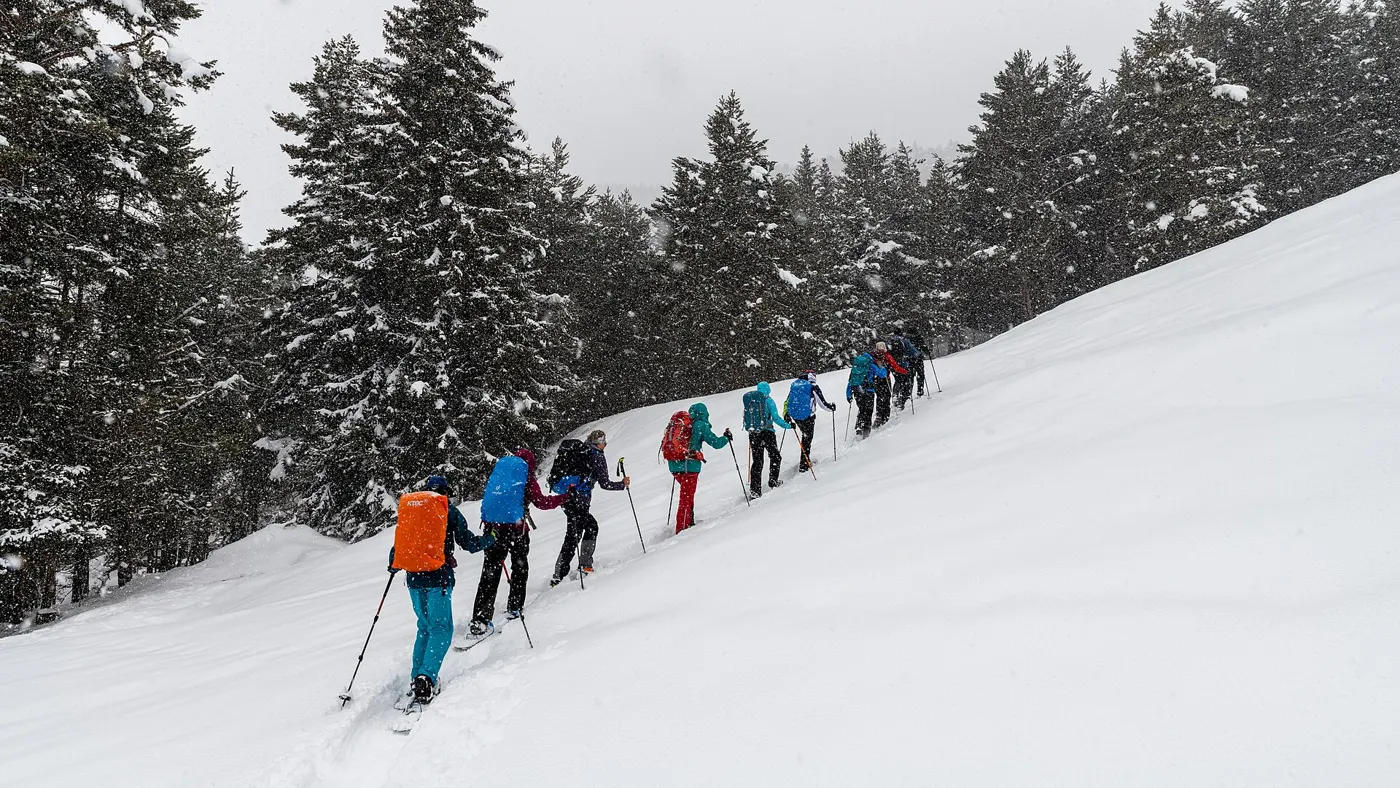
Gear for Cold-Weather Hiking: What the Tundra Taught Me
Cold does not forgive bluffing. The tundra has taught me, sometimes uncomfortably, that comfort and safety in the North come down to a handful of principles and a short list of gear that actually earns its weight.
The layering system
Everything starts with layers, because you dress not for standing still but for the swing between hard effort and sudden stops.
- Base layer. Against the skin, wool or a wool-synthetic blend, never cotton. Cotton soaks up sweat and holds it against you, and wet cotton in the cold is dangerous. The base layer's job is to move moisture away from the skin.
- Mid layer. Insulation that traps warm air — fleece or a light down or synthetic jacket. On the move you may shed this; at a rest stop you pull it straight back on.
- Shell. A windproof, waterproof outer layer. On the open tundra, wind is often a bigger enemy than temperature, stripping heat away faster than still air ever could.
The real skill is adjusting constantly. Overheating means sweat, and sweat means a soaking you will pay for the moment you stop. The old mountaineers' rule holds: be bold, start cold. Set off slightly chilly and let movement warm you.
Extremities
Most heat is lost, and most misery caused, at the hands, feet and head.
- Hands. Mittens beat gloves for warmth because the fingers share heat. I carry thin liner gloves for fiddly tasks and warm overmitts for everything else.
- Feet. Insulated, waterproof boots a size up to fit a thick wool sock without squeezing — tight boots cut circulation and cause cold feet faster than thin socks ever will. Gaiters keep snow and bog water out.
- Head. A warm hat always, and a buff or balaclava for wind. Goggles or good sunglasses matter more than people expect; spring snow glare can scorch your eyes.
The small things that save a trip
Experience lives in the little items. A vacuum flask of something hot does more for morale on a bitter day than any gadget. Spare batteries kept warm in an inside pocket, because lithium cells fade fast in the cold. A closed-cell foam sitting pad so a rest stop does not drain heat into the ground. Hand-warmer sachets for emergencies. A headtorch, always, in a season of short days.
Food, water and warmth
You burn far more energy staying warm, so eat more than feels necessary and snack often — a cold, hungry hiker gets colder fast. Water is a quiet problem: streams freeze, and an exposed bottle can turn to ice. I carry water in an insulated bottle, store it upside down (ice forms at the top first, so the lid stays free), and keep a flask of hot drink in reserve.
Judgement over kit
No shopping list replaces judgement. Check the forecast and respect it. Tell someone your route. Turn back earlier than your pride would like. The tundra is not hostile, exactly — it is simply indifferent, and it rewards the prepared. Dress for the cold you might meet, not the cold you hope for, and the North opens up as one of the most rewarding places on Earth to walk.