Lapland in Autumn: The Ruska Season
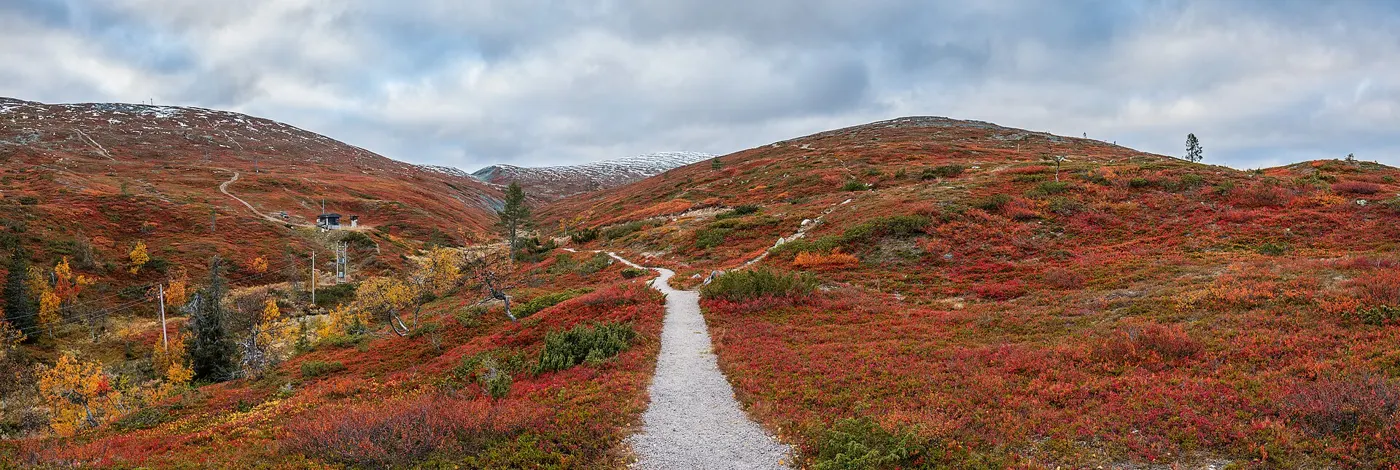
For two or three weeks each September, the fells of Finnish Lapland catch fire. The Finns call it ruska: the autumn turn, when the dwarf birch, blueberry and bearberry of the tundra flush red and orange and the whole landscape glows as if lit from within. It is, to my mind, the best-kept secret of the Arctic hiking year.
Why the colour is so intense
Above the tree line the plants are small and the palette is concentrated. Instead of a few tall trees changing colour, you get entire hillsides of low, dense vegetation turning at once — a continuous carpet of crimson blueberry leaves, amber grasses and the deep wine of bearberry, broken by the pale gold of birch in the valleys. On a clear day with the low northern sun raking across it, the effect is almost unreal.
The timing is short and a little unpredictable. The turn is triggered by shortening days and the first frosts, and a single hard freeze can bring it on within days. As a rough guide, the colours peak in the far north in early September and work southward over the following weeks.
Walking the fells
Lapland is laced with some of the best-maintained trails in the Arctic. Marked routes and a network of simple wilderness huts make multi-day walking accessible without a large expedition. The fells themselves are gentle by mountain standards — rounded, open and easy to read — but the weather is not, and conditions can turn from calm sunshine to horizontal sleet in an afternoon.
Autumn brings two more gifts. The mosquitoes that torment the summer tundra are gone after the first frosts, and the nights have grown dark enough for the aurora season to begin. It is entirely possible to walk through blazing colour by day and watch the northern lights from a hut doorway the same night.
Picking berries and reading the ground
The same plants that make the colour make the harvest. Lapland's open-access tradition lets anyone pick wild berries, and ruska is lingonberry and crowberry time, with the last of the blueberries still clinging on. A handful gathered along the trail is part of the pleasure.
Underfoot, the autumn tundra is wet. Boardwalks cover the worst of the mires on popular routes, but off them you learn quickly to follow drier ridges and avoid the vivid green sphagnum that signals a bog. Waterproof boots and gaiters earn their place.
Practicalities
Days shorten fast in September, so carry a headtorch and start early. Layering is everything: a warm base, a windproof shell, hat and gloves, because the wind on an exposed fell top can feel wintry even under a blue sky. Book popular huts or nearby cabins ahead, as ruska has become steadily more popular with those who have discovered it.
My advice is simple. Skip the crowded summer. Come when the fells are burning red, the air is sharp, and the lights return to the sky at night. There is no better fortnight in the North.