Yamal: Journey to the End of the Land
"Yamal" is often translated from Nenets as "the end of the land", and standing on it you believe it. The peninsula stretches north into the Kara Sea as a vast, almost perfectly flat plain of tundra, stitched with tens of thousands of lakes and crossed by herds that have walked the same routes for centuries.
Getting there
There is no casual way to reach Yamal. You fly to a regional hub, then continue by smaller aircraft, winter road or river, depending on the season. Timing is everything. In the brief summer the ground becomes a maze of mire and meltwater; in deep winter the frozen rivers themselves become highways. I travelled in the shoulder of late winter, when the light was returning but the ground was still firm underfoot.
A horizontal world
Mountains give you landmarks. Yamal gives you none. The horizon is a thin line in every direction, and distance becomes almost impossible to judge — a cluster of dots that might be a herd an hour away or ten minutes. The scale resets your sense of proportion. A single low rise feels like a summit; a stand of stunted willow feels like a forest.
Water is everywhere. The peninsula is one of the great lake landscapes of the planet, and in summer the tundra reflects the sky until land and water blur. Much of that water sits on permafrost, which stops it draining and keeps the surface wet even where it rarely rains.
The herds and the gas
Yamal is a study in contrasts. It holds some of the largest reindeer herds on Earth and some of the largest natural gas reserves, and the two share the same ground uneasily. You can watch a column of reindeer file past under a sky lit, at its far edge, by the orange flare of a gas field. For the herding families, the new infrastructure means roads that sever pastures and traffic along migration corridors; for the region, it means the wealth and attention that make life here possible at all.
Living light and living cold
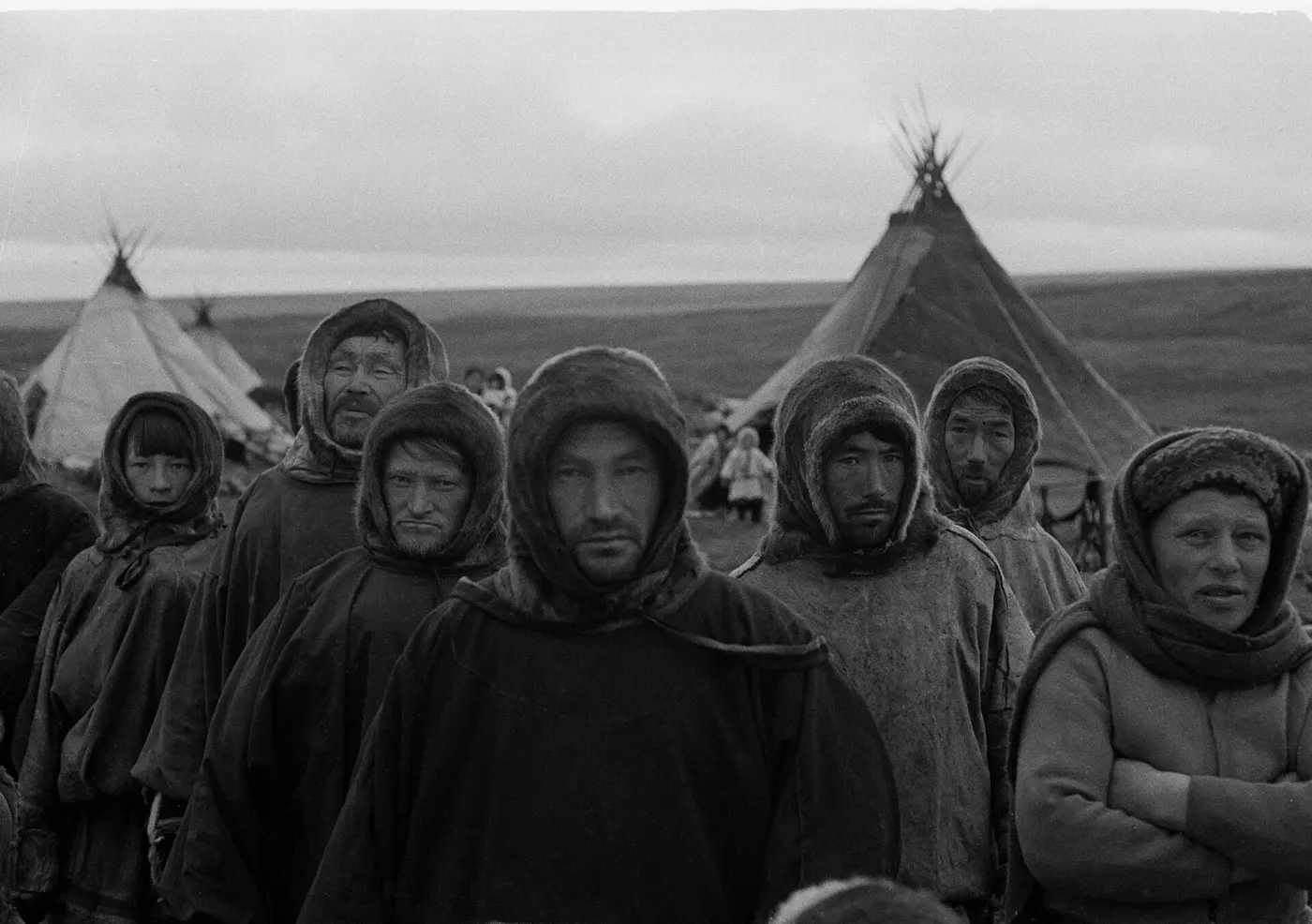
In midsummer the Sun does not set, and the tundra hums around the clock with birds and insects. In midwinter it barely rises, and the cold is a physical presence that organises every decision — how you dress, how long you stay out, how you store food. I spent my evenings in a tent warmed by a small stove, listening to the dogs settle and the wind work at the canvas, grateful for layers of fur I had been taught, slightly scornfully, how to wear.
What stays with you
Yamal does not perform for visitors. It is too big, too plain, too busy surviving. What it offers instead is a rare sense of genuine remoteness — a reminder that there are still places where human life runs on the land's terms rather than the other way around. I left with cold-stiff fingers, a notebook of half-frozen ink, and the particular quiet that comes from having stood, briefly, at the end of the land.